
3,000 years of mining history

The Rammelsberg through the ages

For over 3,000 years, people have been making history at the Rammelsberg. From the first ore discoveries to technological innovations and its designation as a UNESCO World Heritage Site, the Rammelsberg tells a story of work, progress, and the lives of many generations.

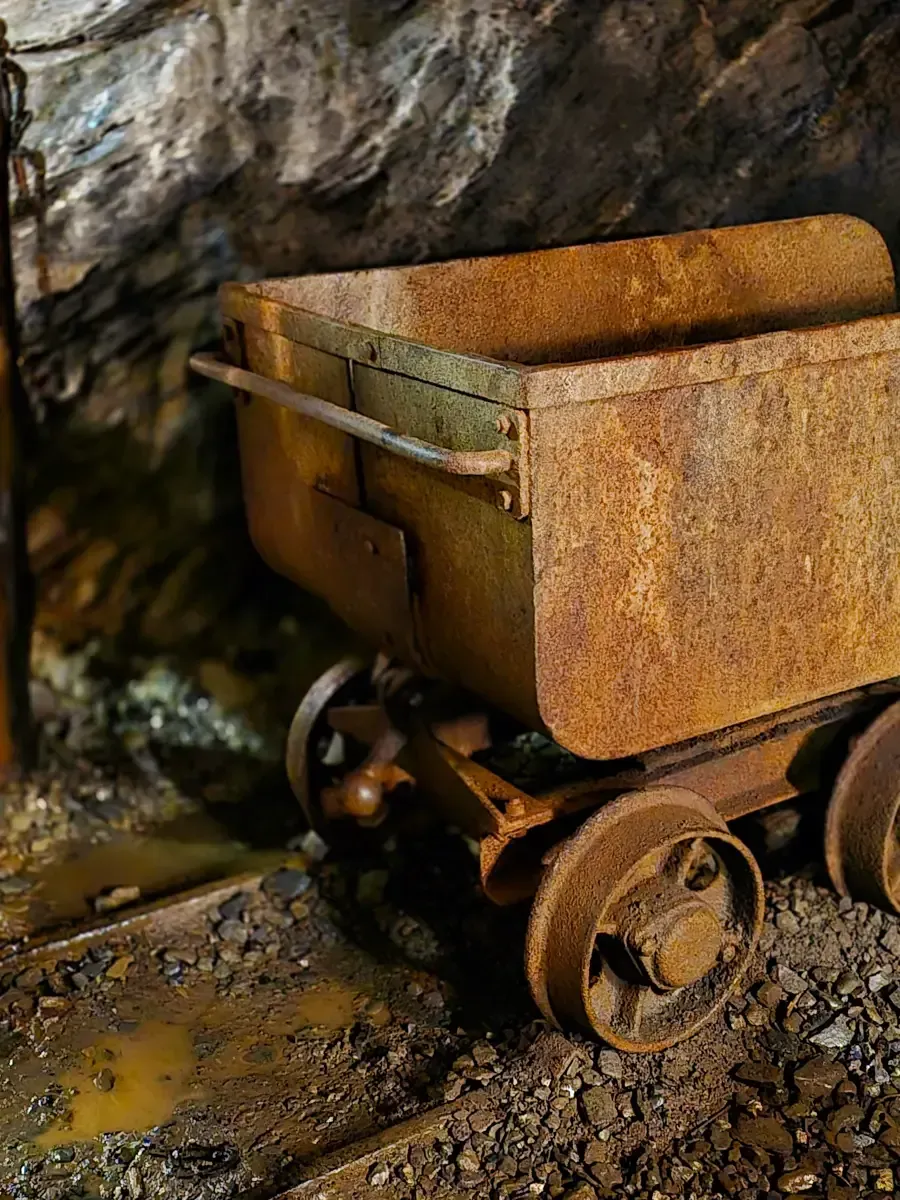
Eine verrostete Lore auf Schienen neben einer felsigen Höhlenwand, gefüllt mit Schmutz und Geröll.
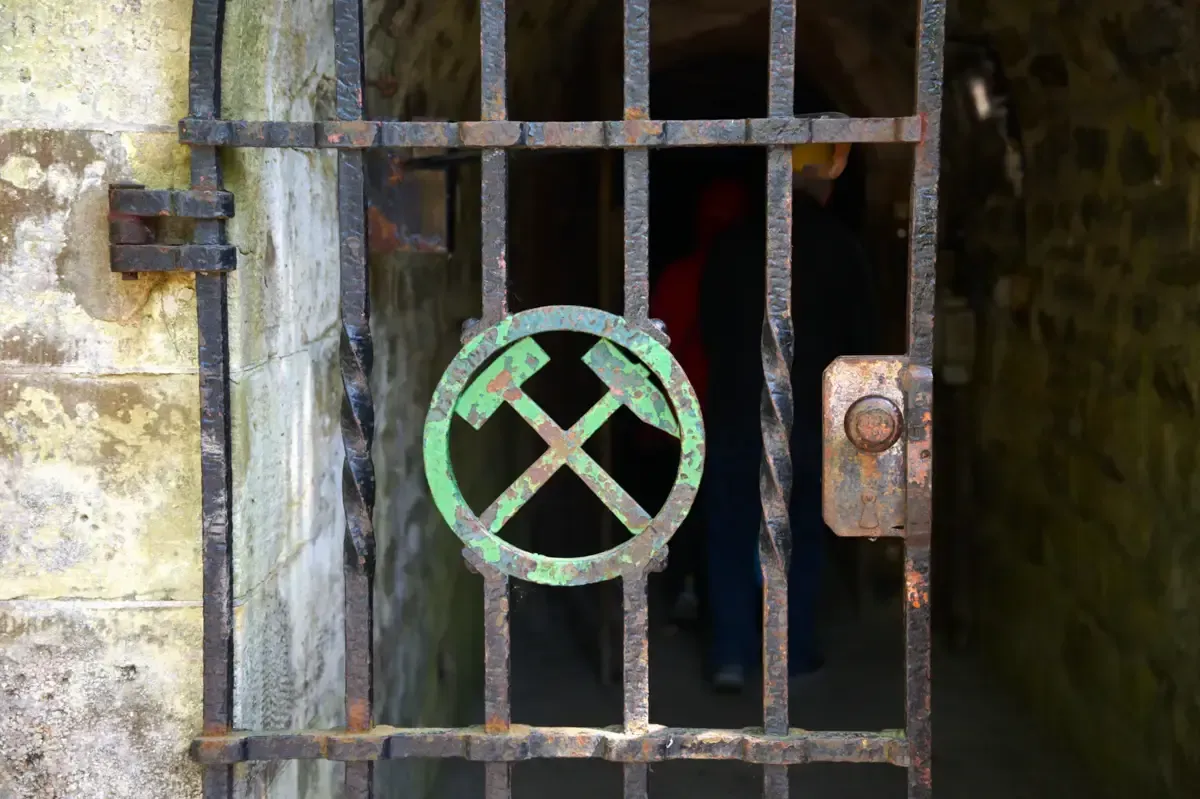
Rostiges Gittertor mit grünem Rundschloss in einem steinernen Türrahmen

From ore discovery to World Heritage Site

The Rammelsberg through the ages


  1. The first traces of the Rammelsberg ore

    Archaeological finds prove that Rammelsberg copper ore was already being processed and traded in the 3rd century. Slag finds near Düna in the Harz Mountains could be clearly attributed to the deposit. This makes Rammelsberg one of the oldest verifiable mining regions in Europe. First verifiable processing of Rammelsberg ore.


  2. From open-pit mine to mine

    Transition from open-pit mining to underground mining. The Rathstiefste tunnel is being constructed.

  3. The heyday of medieval mining

    Contrary to popular belief, the year 968 does not mark the beginning of mining at the Rammelsberg, but rather a period of its heyday. The silver contained in the ore became increasingly important and made Goslar a key center for coin minting within the Holy Roman Empire.

  4. The Riechenberg Agreement

    The Riechenberg Treaty changes the ownership situation at Rammelsberg.

  5. The Rammelsberg becomes world-famous

    Georg Agricola mentions the Rammelsberg in his work "De re metallica".

  6. Johann Christoph Roeder revolutionizes mining

    Johann Christoph Roeder is modernizing mining with innovative hydropower technology.

  7. The dawn of the electric age

    Start of the electrification of the mine.

  8. The origin of today's appearance

    Between 1935 and 1942, the surface facilities of the ore mine underwent extensive redesign. During this period, many of the buildings that still characterize the appearance of the World Heritage Site were constructed – including the striking ore processing plant.

  9. The end of mining

    After approximately 3,000 years, active mining at the Rammelsberg has come to an end. The ore reserves were largely exhausted. Until its closure, a total of around 27 to 30 million tons of ore were extracted – a unique chapter in German mining history.

  10. Mine becomes museum

    Just two years after its closure, the newly founded museum and visitor mine opened its doors. Initial exhibitions were set up, and visitors could explore the historic Roeder Tunnel.

  11. UNESCO World Heritage

    Together with the historic old town of Goslar, the Rammelsberg mine has been added to the UNESCO World Heritage List. This designation recognizes the exceptional importance of the mine and its close connection to the history of the region.